• Home
  • Daily News
  • Personal Health
    • Vaccines
    • Mental Health
    • Nutrition
  • Biotechnology
  • Contact
healixe
keep your memories alive
Personal Health

Countess of Chester Hospital failed to tell man he was dying

by healixe December 4, 2025
written by healixe


Jonny HumphriesNorth West

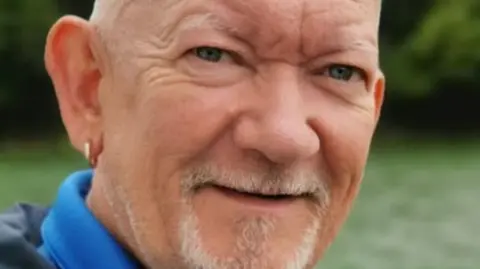
Handout William Chapman, 58, who is bald, with a white goatee and wears a gold ring in his right ear, smiles at the camera. Handout

William Chapman, known as Syd, believed he was going to fully recover

Hospital doctors failed to tell a father-of-seven he was terminally ill and falsely reassured him he would recover, the health ombudsman has found.

William Chapman, known as Syd, was told “not to worry” by doctors at the Countess of Chester Hospital after being admitted with shortness of breath in July 2021.

But the 58-year-old found out he had in fact been diagnosed with pulmonary fibrosis, an incurable lung disease, when his GP mentioned it in passing on the phone in December that year – eight months before his death.

The Countess of Chester Hospital said it “apologised unreservedly” and accepted the findings of a Parliamentary and Health Ombudsman (PHSO) investigation.

Mr Chapman’s daughter, 32-year-old Chantelle Parker, said her family had “lost trust in the NHS”.

“My dad thought he was going to get better, because that’s what they led him to believe,” she said.

EPA A sign at the entrance to the Countess of Chester Hospital says 'Welcome to Countess of Chester Hospital, accident and emergency and Countess of Chester NHS Foundation Trust'.EPA

The Countess of Chester Hospital failed to respond to the family’s complaint for over a year.

“Because of that he carried on working even though it was a struggle for him.

“If he had known the truth, he would have given up work and made the most of the time he had left with his family.”

The PHSO found that after Mr Chapman, from Upton near Chester, first attended the hospital in July he was referred to a specialist lung department for tests.

The former soldier, who ran a cleaning business, was told by a junior doctor in September 2021 that he had “nothing to worry about”.

The PHSO said the doctor did not know that was the case and that Mr Chapman had been falsely reassured.

In November, a consultant diagnosed Mr Chapman with pulmonary fibrosis and wrote a letter to his GP, but did not send the letter to the patient or contact him in any other way.

‘A disturbing case’

Mr Chapman’s GP believed he had been told and casually mentioned the diagnosis in a general discussion about his symptoms, meaning it came as a total shock.

The PHSO said the Countess of Chester took a year to respond to a complaint by the family, did not listen to their concerns and initially did not acknowledge where it had gone wrong.

It also found that consultations with doctors were not recorded properly in Mr Chapman’s medical records and sometimes not recorded at all.

Rebecca Hilsenrath KC, chief executive officer at the PHSO, called the investigation a “disturbing case”.

“When you hear this kind of diagnosis in this way, you lose a sense of dignity and the opportunity to make your own decisions about how to live your life,” she said.

“The family’s trauma was compounded by their treatment during the hospital’s internal complaints handling.”

Ms Parker said a relative had offered to pay for her father to have treatment privately, but he had “such faith in the NHS” that he turned it down.

She added: “Medical staff have a duty of care to tell patients what is really happening.

“It was very traumatic for us all to lose him after being told that he would be fine.”

The PHSO had recommended the Countess of Chester Hospital NHS Foundation Trust acknowledge its failings and apologise to Mr Chapman’s family, make service improvements, improve its record keeping, and pay his wife £1,200.

It said the trust had complied.


Source link

December 4, 2025 0 comments
0 FacebookTwitterPinterestEmail
Personal Health

Families face 12-month wait to discover how their babies died

by healixe December 4, 2025
written by healixe


BBC Shane Bevan and Laura Tongue looking through a memory box after the death of their son. They are sitting ona grey sofa in their homeBBC

Laura Tongue and Shane Bevan said delays were “cruel” for families at “their lowest point in grief”

Grieving families are waiting up to a year to find out how children have died due to a shortage of pathologists.

Among those who have faced a delay for post-mortem results are Shane Bevan and Laura Tongue, from Tipton, whose baby boy died in hospital in May 2023, just hours after he was born.

The couple said their six-month wait to find out Louie’s cause of death had “felt like a lifetime” and had made it difficult for them to “move forward”.

The Royal College of Pathologists warned the industry was in crisis with no paediatric pathologists currently employed in the West Midlands.

There are just two perinatal pathologists based at Birmingham Women’s and Children’s NHS Foundation Trust – they conduct autopsies on foetuses and babies for the whole region.

Ms Tongue, a 34-year-old teacher, said it was “cruel” for families already at “their lowest point in grief” to be left waiting for answers.

Mr Bevan, 34, who works as a behavioural specialist at a local school, called for something to be done to make the process easier for bereaved couples.

He said losing a child is “the worst thing any parent can go through” but the wait had made it “10 times harder”.

A paper frame of Louie's handprints and footprints with his full name, date of birth and his weight in grams and ounces

Louie cried when he was first born and although he required some oxygen to help him breathe, the couple said the initial checks went well

Louie was born via emergency C-section at Russells Hall Hospital at 29 weeks old after it was discovered Ms Tongue had reverse blood flow, a serious complication which can mean the baby is not getting enough oxygen from the placenta.

She was only able to stroke his face before he was taken to the neonatal unit.

Initially he responded well, but within an hour his condition had deteriorated and he required CPR.

Mr Bevan said he was asked to go into the room and was left watching “a horrible scene unfold” without any explanation as to what was happening.

Ms Tongue was wheeled in and they were told by the neonatologist after 40 minutes of resuscitation that they needed to stop.

She was never able to hold Louie before he died, something that still makes her “really angry”.

Shane Bevan and Laura Tongue hold up a black and white photo of their baby boy Louie, it is in a white frame. He is wearing a knitted hat and the photo is a close up of his face. Shane has short dark hair, brown eyes and is wearing a black t shirt and Laura has long blonde wavy hair, blue eyes and wears a navy jumper with mummy printed across it

Shane Bevan and Laura Tongue waited six months to find out how their son had died

The couple, who have two other children, said they had to fight for a post-mortem examination and then had to chase the hospital for the results.

But after a long wait for answers in November 2023 the report came back inconclusive and the couple said they “still haven’t got that closure” they had hoped for.

In January 2024 a serious incident report found there had been 12 failings in their care, findings which the couple said “destroyed” them.

Diane Wake, Chief Executive of the Dudley Group NHS Foundation Trust, said: “We are deeply sorry for the unimaginable loss that Louie’s parents have gone through.”

She added that the trust had listened to the family’s concerns and had since implemented changes in practice.

Ryan and Amy Jackson are smiling at the camera, standing next to a building with a sign reading: "The Lily Mae Foundation - supporting parents and families after Stillbirths... Miscarriage or Medical Termination". In the background are homes and a lawn

Ryan and Amy Jackson, who run a baby loss support charity, said they had seen the wait time for post-mortem results increase over the years

For more than two decades the Royal College of Pathologists has raised concerns with the government about the shortage of paediatric and perinatal pathologists.

A report published by the organisation this month found 37% of posts in the UK are lying vacant.

“There are simply not enough consultants to undertake this work and families are suffering,” said Dr Clair Evans, the chair of its advisory committee.

The UK has just 52 paediatric and perinatal pathologists and 13 are due to retire in the next five years, according to the Royal College of Pathologists.

Ryan and Amy Jackson founded the Lily Mae Foundation in memory of their daughter who was stillborn at 37 weeks in 2010.

“When we lost Lily we were told it would be a maximum of 12 weeks [for a cause of death] and what we’ve seen over the years, since then, is it’s got longer and longer,” said Mrs Jackson.

Her husband added: “When you’re in the grief process it’s like your world completely slows down, so for us the 12 weeks felt like 12 years.”

The baby loss support charity, based in Balsall Common, near Solihull, provides one-to-one bereavement support to families and gives out memory boxes.

They said the delays were a postcode lottery, with some families waiting four to six months and others waiting nine to 12 months.

Mrs Jackson said for those families that did have to wait longer “it’s changing that grief journey massively, it’s adding a ton of emotions on, and it’s extending the time-frame for trying again for another pregnancy”.

BBC/Louise Brierley A police car is parked on a road in a residential area. There are houses on the right and leftBBC/Louise Brierley

The results of a post-mortem following the death of a child in Bartley Green are not expected for up to 12 months

Among those facing a 12-month wait for post-mortem results are relatives of a baby boy who died at his home in Bartley Green, Birmingham, in June.

Named locally as Kai, he was found in a critical condition at the property on Culford Drive, and died shortly after arriving in hospital.

A woman, 37, who was arrested on suspicion of child neglect remains on police bail.

Neighbours have told us the house in the cul-de-sac now lies empty, a reminder of the tragic loss.

A post-mortem examination has been carried out, but the results are not anticipated for up to 12 months, a coroner for Birmingham and Solihull has told the BBC.

An NHS spokesperson said: “It is unacceptable for any bereaved families to experience significant delays in getting the answers they need following the death of their child, and so we have launched a national programme to strengthen specialised pathology services, which are facing sustained workforce challenges.

“These measures include sharing staff and resources between providers and the use of less invasive options such as genomic testing where appropriate, and the NHS is continuing to work with clinical leaders and an advisory group of bereaved parents to help make improvements to these services for families.”


Source link

December 4, 2025 0 comments
0 FacebookTwitterPinterestEmail
Personal Health

Girls 'taught how to get a job but not about women's health'

by healixe December 4, 2025
written by healixe


Young women say they were taught how to open a bank account in school, but not about their own health.


Source link

December 4, 2025 0 comments
0 FacebookTwitterPinterestEmail
Personal Health

Young women want improvements in Wales

by healixe December 4, 2025
written by healixe


Young women have spoken about the issues faced by a lack of education in schools on health matters.

Athika Ahmed is among those in Wales involved in designing new school resources to improve understanding of common conditions among women.

Leaflets and posters will be available in secondary schools covering menstrual health, endometriosis, pelvic health and menopause.

Ms Ahmed, 23, said: “In some communities it’s actually taboo and quite a sensitive topic to talk about, so if you’re not able to learn about these things in school, then where?”

Video edited by Greg Davies


Source link

December 4, 2025 0 comments
0 FacebookTwitterPinterestEmail
Personal Health

Oswestry teenager founds polycystic ovary syndrome support group

by healixe December 4, 2025
written by healixe


Ellen Knightin Weston Rhyn

BBC/ELLEN KNIGHT Bethany pictured smiling and looking into the camera. She's wearing black-framed glasses and a striped woollen jumper in green, yellow, and white. She's stood in front of a brown garden fence with trees and shrubbery rising up behind it. The sky is blue and there's strong wintery sunshine. BBC/ELLEN KNIGHT

Bethany Lewis was diagnosed with polycystic ovary syndrome in April 2025

A young woman has founded a support group for women with reproductive health problems, like polycystic ovary syndrome (PCOS).

Bethany Lewis, 18, is a trainee dental nurse from Weston Rhyn in Shropshire and was diagnosed with PCOS in April 2025.

A few months later she set up The Cysters Circle, which meets up periodically across the county in different towns to reach a wider audience.

PCOS causes painful and irregular periods, and the NHS estimates it affects up to one in 10 women in the UK. “[The circle was] really needed, not just for myself but for other people as well,” Ms Lewis said.

PCOS is a hormonal disorder that leads to ovaries producing large amounts of male sex hormones that interfere with the development and release of a woman’s eggs and can also affect periods and fertility.

Ms Lewis said her symptoms include “very heavy periods” and “dull pain that doesn’t go away,” meaning she often has to take “very strong painkillers.”

Getty Images Stock image of a woman wearing a white shirt, white vest and black trousers, sitting in a green chair. She's holding her hands over her lower stomach as if in pain. Getty Images

Ms Lewis said she has to take “very strong” medication to help with the pain of “heavy periods”

The circle supports women and girls with endometriosis, PCOS, or “any other hormonal and reproductive health conditions,” she said.

When she was first diagnosed in April, Ms Lewis said she “didn’t know anything about the condition,” educating herself using the internet.

“It’s been challenging mentally as well as physically,” she added.

“It’s very lonely as well, so it’s good to have the support in the group.”

‘Awareness needed across UK’

The group’s first meeting last month had just two other attendees – but a few weeks later, at their next meet-up in Telford, eleven women took part.

“It’s a massive jump in comparison to our first one, and it’s nice to just start building that community,” Ms Lewis said.

Those attending share experiences, recommendations, and vent frustrations.

“We have quite a lot of resources from charities as well that we’re able to hand out,” Ms Lewis continued.

“It’s nice to sit there with people who actually understand what you’re going through.”

Her goal is to “support more women and girls,” adding that raising awareness is needed “not just locally in Shropshire, but around the UK”.


Source link

December 4, 2025 0 comments
0 FacebookTwitterPinterestEmail
Personal Health

Streeting orders review into mental health and ADHD diagnosis

by healixe December 4, 2025
written by healixe


Health Secretary Wes Streeting is to launch an independent review into rising demand for mental health, ADHD, and autism services in England.

Streeting has previously suggested mental health conditions are being “overdiagnosed”, and the government has argued that increased pressure on the system has led to long waits for people with an urgent need for help.

He said: “We must look at this through a strictly clinical lens to get an evidence-based understanding… That’s the only way we can ensure everyone gets timely access to accurate diagnosis and effective support.”

The Department of Health and Social Care (DHSC) said the review is being launched alongside extra funding of £688m but it also comes as ministers seek to tackle a growing welfare bill.

Earlier this year, the government was forced to climbdown on planned cuts to disability benefits, including for those with mental health conditions, after facing major backlash from more than 100 of Labour’s own backbenchers.

But on Monday, the prime minister promised a renewed push on reforming the welfare system, which is said had “trapped people in poverty” and “wrote young people off as too ill to work”.

Led by clinical psychologist Prof Peter Fonagy, the new review’s findings will be published in Summer 2026.

Prof Fonagy said the aim was “to test assumptions rigorously and listen closely to those most affected, so that our recommendations are both honest and genuinely useful”.

As of March this year, around four million working-age adults in England and Wales claimed either disability or incapacity benefit – up from almost three million in 2019, according to research from the Institute for Fiscal Studies (IFS).

The DHSC said the increased pressure on the NHS “means that for too long, people with acute needs have faced long waits, had to navigate overstretched services, experienced inequalities in care and felt abandoned when support was needed most”.

Mental health charity Mind welcomed the government’s announcement and signalled their willingness to contribute to the review.

“This is a huge opportunity to really understand what is driving increasing levels of mental illness, especially among our young people,” chief executive Dr Sarah Hughes said.

President of the Royal College of Psychiatrists, Dr Lade Smith, called for the review to “rigorously identify gaps in care” while considering the “many complex reasons” people reach out for help.

The National Autistic Society said: “We need urgent action because, while we are currently seeing the number of people seeking an assessment levelling out, the average waiting time is rocketing.”


Source link

December 4, 2025 0 comments
0 FacebookTwitterPinterestEmail
Personal Health

Patients clogging up A&E with hiccups, sore throats and niggles

by healixe December 4, 2025
written by healixe


Patients are being warned not to clog up A&E with everyday niggles as NHS figures show thousands turned to hospitals for minor ailments such as hiccups and ingrowing toenails last winter.

There were more than 200,000 A&E attendances in England from November to February for conditions that could have been dealt with elsewhere, according to NHS England.

This represents more than 2% of all attendances during that four-month period, taking up vital resources at under-pressure A&Es, health bosses said.

Patients with such minor conditions are being advised to seek help elsewhere, including from pharmacists, GPs and NHS 111 – either via the phone or online – as some of them can be managed at home.

Between 1 November 2024 and 28 February 2025, NHS figures show there were:

  • 6,382 visits for nasal congestion
  • 83,705 visits for earache
  • 96,998 visits for sore throats
  • 3,890 visits for ingrowing nails
  • 8,669 for itching skin
  • 384 for hiccups

The attendances were to either major A&E units or minor injury units run by hospitals.

Research shows one of the factors driving unnecessary A&E visits is difficulty accessing GP services, with latest figures showing more than a fifth of patients cannot get through to their GP on the day they try.

NHS England said patients can get prescription-only medication – traditionally dispensed by GPs – at pharmacies for a range of common conditions, including a sore throat, sinusitis and earache.

It is also releasing a video entitled ’24 Hours Not In A&E’ as part of a social media campaign to help avoid unnecessary visits to A&E departments and GPs.

NHS England urgent and emergency care director Julian Redhead said: “The last place a patient wants to be when they have a minor illness is in a busy A&E – so this winter we’re working hard to expand the number of routes into the NHS so patients can get fast and convenient care closer to them.

“Whether the services are online, over the phone or in person, a variety of doorways to care are open across the NHS.

“As always, use A&E & 999 for life-threatening conditions and serious injuries.”

GP Dr Ellie Cannon, who appears in NHS England’s social media video, said patients should remember they can contact their GP through their websites rather than relying on phone lines.

“Knowing where to get the care you need can make all the difference,” she said.

“It’s common for people to default to the 8am scramble for a GP appointment, or go to A&E, as it’s what feels most familiar – but there are many far more convenient and quicker ways to handle your health concern while you get on with your day.”

She said contacting GPs through their websites could be quicker and easier alongside using pharmacies and NHS 111.

GP practices in England were ordered to offer online booking from October and figures released this week show more than 98% now do. Those systems allow patients to ask questions as well as request appointments.

But the change has provoked opposition from the British Medical Association (BMA) which has warned it could put patients at risk because GPs could become overwhelmed assessing online queries.

It comes as the NHS in England starts to publish its winter monitoring statistics on Thursday. They will provide a snapshot of how hospitals are coping, including the number of patients on wards with flu, how long ambulances are queuing for outside A&E and bed occupancy rates.

Last month, NHS England chief executive Sir Jim Mackey warned this winter could be one of the toughest the health service has faced as rates of flu started rising early amid what appears to the spread of a severe strain.

The NHS is also facing the prospect of more strikes by resident doctors, who were previously called junior doctors.

BMA members are staging a five-day walkout from 17 December.


Source link

December 4, 2025 0 comments
0 FacebookTwitterPinterestEmail
Personal Health

Schools to teach about endometriosis, periods and cancer screenings

by healixe December 4, 2025
written by healixe


Jenny ReesWales health correspondent

Athika Ahmed Molly Fenton and Athika Ahmed smile at the camera. Athika cups her chin with one hand.Athika Ahmed

Molly Fenton and Athika Ahmed want better education on women’s health issues in school

Young women say they were taught how to open a bank account in school, but not how to change a tampon or spot signs of cancer.

“As a person from an ethnic minority background, in some communities it’s actually taboo and quite a sensitive topic to talk about, so if you’re not able to learn about these things in school, then where do you learn?” said 23-year-old Athika Ahmed.

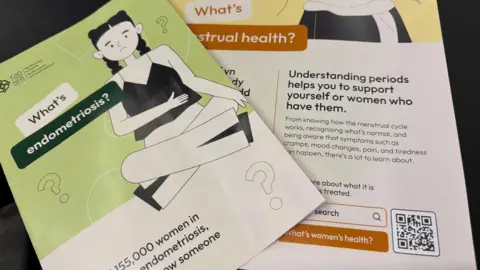
She was among the young people across Wales involved in the design of new school resources to increase understanding of the most common women’s health conditions.

Leaflets and posters will be available to secondary schools covering menstrual health, endometriosis, pelvic health and menopause.

A leaflet and poster are laid out on a desk. On the top is a leaflet with the NHS Wales logo, and an image of a frowning young girl holding her hand over her tummy. It reads: what's endometriosis.
Beneath that is a poster with a QR code and a search term: what's women's health?
The poster reads: Understanding periods helps you to support yourself or women who have them.

Leaflets and posters include information and direct people towards online resources

As a member of the Cardiff and Vale health board’s youth panel, Athika said they were able to help shape the information in those resources.

She said she was nervous about speaking to her parents when she started her periods at a very young age, but not being able to get support in school also left her feeling “a step behind”.

She was left with questions such as “when to change your pad, what type of pad you want to use, or the different types of products”.

“I didn’t know the difference between a pad and a tampon,” she said.

“Simple things like hygiene would help young people get a grasp of these things and become the confident young women they could be.”

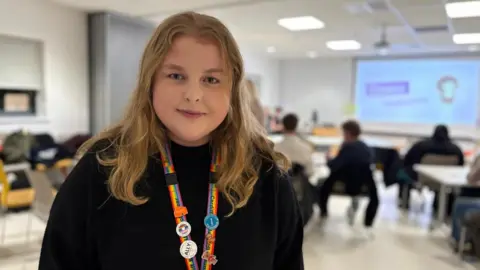
Molly has long, wavy blonde hair and is wearing a black jumper and rainbow lanyard with pin badges. She is smiling at the camera.
She is standing in a large room where other youth board members are sat, looking at a white board.

Molly Fenton says providing young people with information about women’s health was vital, but training for healthcare professionals is also key

The menstrual cycle is already a mandatory part of the curriculum in Wales, but this is the first time material has been designed to include conditions such as endometriosis, which affects about 155,000 women in Wales.

The resources include basic information but also direct young people to online resources such as Sexual Health Wales, Brook, Bloody Brilliant and Endometriosis Cymru.

Molly Fenton also sits on the youth panel and said her periods were an early clue to more serious health issues.

“I live with a brain tumour that has an impact on my optic nerve and my pituitary gland, the home of your hormones and my periods were one of the first signs,” she said, adding that she had her first bleed when she was six, before her periods started at eight.

“They really did take over my life, then I lost them when I was 16, which had massive detrimental effects to all parts of my body and I live with long term damage because of that, so my periods were a massive driving force in getting a diagnosis and the support that I needed.

“We are still hearing so many people that can’t even say the word period, or poo, for example.

“Having that conversation could be the starter. Mine’s a very unique situation, not everyone will get diagnosed with a brain tumour or something really serious, but being able to have those conversations and advocate for yourself is huge and these materials have to fill the gap to make that happen.”

Natalie McDonald, a specialist community public health nurse in Cardiff and Vale, said young people will typically want advice about symptoms, rather than specific conditions.

She said school nurses are now being given training in things such as endometriosis, to better signpost young people, but also to reach out to family members or teachers where appropriate, to help them understand the impact on young people.

“Some of the young people we see in schools quite often won’t go to their GP, or there’s barriers.

“So we try and develop a therapeutic, trusting relationship, so these new resources will empower our message.”

The resources are a result of the women’s health strategy for Wales which was published a year ago.

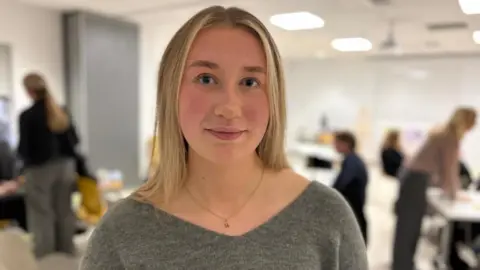
Elen has long, blonde hair and is wearing a grey jumper. She is standing in a large room where the new resources were launched, and behind her,  out of focus, are the people who attended the event talking to each other at tables.

Elen, 17, said it was surprising how little is known about many women’s health conditions

Elen, 17, said boys on the youth panel played a big part in contributing to the design of the new resources, though typically boys and girls are still separated for these lessons in school.

“There’s almost a stigma about it, and you’ll listen in different rooms, which shows you think it’s only relevant to one gender, which of course isn’t true,” she said.

“Everyone has relatives who will go through these things. A lot of people around me suffer with endometriosis or are struggling with the menopause, so a basic understanding from a young age is important.”

Sarah Murphy, Welsh minister for mental health and wellbeing, said women’s health pathfinder hubs are expected to come online “in the next few months” building on existing services to “create a tertiary level support”.

“The biggest change that we are going to see is in the training (for healthcare professionals) and the change in how women are going to be treated.

“That’s the key part of the whole of the women’s health strategy – not to be dismissed, not to have our pain dismissed, and to know these services are there and how to access them. That’s what every health board is going to deliver.”


Source link

December 4, 2025 0 comments
0 FacebookTwitterPinterestEmail
Personal Health

What To Know About GLP-1 Natural Alternatives 

by healixe December 3, 2025
written by healixe


5 GLP-1 Natural Alternatives You Should Consider | MyFitnessPal

Glucagon-like peptide-1 (GLP-1) is a hormone that regulates blood sugar levels. But sometimes, your body may need extra help with the GLP-1 hormone, especially if you have diabetes. 

Certain foods or nutrients may stimulate GLP-1 in the body or have similar effects, like managing blood sugar response or making you feel more full. They act like sidekicks, lending a hand to support your body’s natural rhythms and keep your blood sugar on track.

While much of the science continues to develop, let’s explore some natural GLP-1 agonists and how they might be able to complement your health journey.

Is There a Natural GLP-1?

The answer is not a simple yes or no—some foods can make you feel fuller longer and slow digestion (like GLP-1 meds do), but they won’t necessarily cause rapid weight loss in the same way—so let’s break it down step-by-step.

  • GLP-1 is a hormone naturally produced in the body. The cells in your gut or intestine secrete it to regulate blood sugar levels. It tells your body to produce insulin, which commands your cells to absorb the sugar and produce energy. 
  • It also slows digestion, makes you feel less hungry, and boosts metabolic health, which can help with weight loss. It conducts the blood sugar orchestra, keeping things in harmony. 
  • Most people naturally produce enough GLP-1 to keep your blood sugar in check. But if you have diabetes or insulin resistance, it may not be enough.

Diabetes is when your blood glucose levels increase because your body can’t produce or properly use insulin. Cells need insulin to absorb sugar for energy.

Insulin resistance occurs when cells don’t respond well to insulin. Without insulin’s instruction, cells can’t absorb sugar, leading to high blood sugar.

That’s where GLP-1 receptor agonists come in. They mimic the natural GLP-1 hormone and act as reinforcements, improving your body’s GLP-1 levels to control blood sugar. They help stimulate the release of insulin and promote insulin sensitivity.

This allows your cells to absorb glucose and lower blood sugar levels. It also helps keep you full longer and reduces your appetite.

Several GLP-1 agonist medications are available, including:

  • Exenatide (Byetta, Bydureon)
  • Liraglutide (Victoza, Saxenda)
  • Dulaglutide (Trulicity)
  • The weight loss drugs Semaglutide (Wegovy) and tirzepatide (Zepbound)
Guide to GLP-1 Agonists: Everything to Know | MyFitnessPal

You might also like
Essential Guide to GLP-1 Agonists: Everything You Need to Know >

But if GLP-1 medications aren’t right for you, you can consider incorporating certain foods into your diet that serve as natural GLP-1 agonists and help with blood sugar control. 

According to MyFitnessPal’s Registered Dietitian, Stephanie Saletta, “Changing your diet won’t have the same effects as a GLP-1 medication, but it will help you feel full for longer and slow down your digestion. Also, we are still learning a lot here, so there is more knowledge to come as time goes on!”

Whatever the results of further studies on natural GLP-1 agonists may be, small diet and lifestyle changes has the potential to significantly improve your overall health in the long run.

So, let’s look at some natural ingredients to increase your GLP-1 levels.

Top 5 Foods and Supplements That Could Increase GLP-1 Naturally

Here are some natural GLP-1 agonists to give your body extra support for better blood sugar control:

1. Eggs and protein-rich breakfasts

Recent research indicates that consuming protein and calcium-rich foods for breakfast can enhance GLP-1 release and aid in weight loss efforts. While there’s ongoing research about the potential link between protein-rich foods and GLP-1 release, the evidence is still limited. 

Nevertheless, adding protein to your breakfast can offer numerous health benefits. So start your day with eggs and other protein-rich food, regardless of whether they naturally promote GLP-1 release. 

Breakfast staples like eggs, milk, peanut butter toast, protein smoothies, quinoa porridge, or Greek yogurt with fruits provide essential nutrients and support healthy living. They may also help regulate blood sugar levels and keep you full longer.

2. Nuts for power-packed snacks

Nuts are delicious, power-packed snacks that enhance a healthy diet. There are claims that nuts boost your GLP-1, but what do we really know? 

The evidence is conflicting: Some research shows that nuts increase GLP-1 levels, but another study shows decreased GLP-1 levels after consuming nuts. We need larger studies — done in different groups of people — before we can say for sure whether nuts boost GLP-1.

The good news? Nuts are a great source of protein, healthy fats, and dietary fibers. Eating nuts can boost the quality of your diet, and a healthier diet is associated with weight loss and a healthier weight. So regardless of its impact on your GLP-1, you’re probably going to up your nutrition game by adding nuts to your diet.

3. High fiber grains to stimulate GLP-1 production

Get your daily dose of high-fiber grains to stimulate natural GLP-1 production. Grains rich in soluble dietary fibers — like oats, barley, and rye — may help promote GLP-1 release. They may also help manage blood glucose levels, improve insulin sensitivity, and promote digestive health.

Swapping refined grains with high-fiber whole grains can also help support your weight loss journey and improve overall health.

Many people think they’re meeting the recommended fiber intake when they’re actually falling short. Most adults should aim for 25 grams of fiber daily for women and 38 grams for men. 

To get a better picture of how much fiber you’re really getting, use MyFitnessPal to track your food intake. Tracking your food can help you achieve your nutrition goals.

4. Magnesium supplements to stabilize blood sugar levels

Magnesium is an essential mineral with several health benefits. But most importantly, it helps you maintain healthy blood glucose levels. Research done in diabetic rats shows magnesium supplements can boost GLP-1 release, regulate glucose metabolism, and improve insulin sensitivity. But, there’s a lack of research involving human subjects on this matter. 

Nevertheless, magnesium remains an essential nutrient with health benefits beyond its potential effects on GLP-1 release. You can boost your dietary magnesium intake by enjoying foods such as spinach, leafy greens, nuts, peas, beans, whole grains, and seeds or taking magnesium supplements.

Are You Getting Enough Nutrients? Find Out What 5 Billion People Are Missing

You might also like
Micronutrients and GLP-1s: What You Should Know >

5. Lean protein to increase GLP-1 and maintain muscle mass

Lean protein — like chicken, fish, and tofu — may be your ticket to elevated GLP-1 levels. Protein-rich foods are loaded with amino acids, which may help stimulate GLP-1 release, maintain muscle mass, and help manage body weight.

Adding lean protein to your meals can possibly enhance your natural GLP-1 levels, stabilize blood sugar levels, and keep your muscles healthy.

The Bottom Line

Enhancing your diet with eggs, nuts, high-fiber grains, magnesium supplements, and lean proteins can support your overall health. These nutrient-rich foods contribute to a balanced diet and potentially hold benefits for supporting GLP-1 release and maintaining a healthy weight.

While we are still learning how exactly these nutrient-dense foods impact your GLP-1, we do know they improve your diet quality and are associated with weight loss and healthy weight, so it doesn’t hurt to work them into your diet.

While food tracking tools like MyFitnessPal can help support you on your wellness journey, the key lies in embracing a holistic approach to health. You can create a sustainable lifestyle that prioritizes your well-being by making mindful dietary choices and incorporating natural GLP-1 alternatives.

Remember that small changes can lead to significant results, whether your goal is to shed a few pounds or simply improve your health. Embrace the journey towards a healthier you, one step at a time.

Originally published June 12, 2024; Updated December 2025

The post What To Know About GLP-1 Natural Alternatives  appeared first on MyFitnessPal Blog.


Source link

December 3, 2025 0 comments
0 FacebookTwitterPinterestEmail
Personal Health

Mum who lost her daughter to brain tumour calls for change

by healixe December 3, 2025
written by healixe


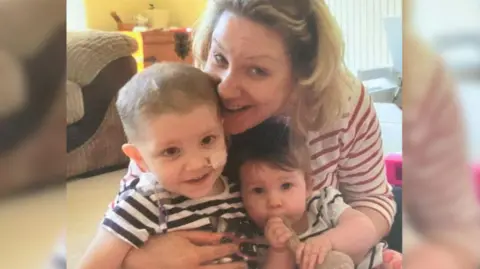
Sam Tucker A women is cuddling her two children and smiling at the camera. One of the children has a feeding tube in her nose.Sam Tucker

Sam Tucker’s eldest daughter Molly was diagnosed with a brain tumour when she was two years old

A mother has called for earlier diagnosis of paediatric brain tumours after the death of her six-year-old daughter.

Sam Tucker, originally from Bristol, believes “opportunities were missed” when her daughter Molly was diagnosed with a large mass. She later died in 2017 when the family were living in Dorset.

Ms Tucker who, along with other bereaved mothers, delivered a study to health ministers showing how brain tumour treatment was not consistent across the country, said she wanted to make sure her daughter’s death was not “for nothing”.

Dorset Healthcare University Foundation said “we do fully investigate all complaints” but would not comment on individual cases.

Ms Tucker said she had “always wanted to be a mum” and was “so excited” to have her first daughter Molly in 2010.

She said at her eight-month check with a health visitor, Molly’s head circumference was measured as part of routine checks which showed it had risen but because no other symptoms were found there was “no concern”.

Looking back, Ms Tucker said she now feels this was a “missed opportunity” and should have been a “red flag and referred”.

Sam Tucker A child who is undergoing treatment is smiling at the camera. She has a brightly coloured rainbow painted on her face. Sam Tucker

Molly’s mum Sam said she was “failing to thrive” in her early days

Over the next two years, Ms Tucker said she felt “exasperated” because it was becoming “more obvious that something was wrong, but nobody knew what it was”.

One morning, she went to get Molly out of bed and she was “limp” so she was immediately admitted onto the paediatric ward at Dorset County Hospital.

While there, Molly had a seizure and was taken for a CT scan, where they found a “mass on her brain that was so big they didn’t think they could remove it” her mum said.

Molly was then taken to Southampton Hospital for emergency surgery and her parents were warned that she may not survive the journey.

“I was never more scared in my life,” said Ms Tucker.

A women is looking at the camera, the photo is just head and shoulders. The women has shoulder length blonde hair and black framed glasses. She is wearing a light brown top with black butterflies on it.

Molly’s mum, Sam Tucker said she was “never more scared in my life” during her daughter’s emergency treatment

Molly had a 10-hour “debulking” operation to remove most of the tumour, a procedure that is normally done when the entire tumour is too large to remove or is in a place that makes complete removal unsafe.

When the operation was over, the family said 5% of Molly’s tumour was left.

Ms Tucker, who was pregnant with her second daughter Rebecca at the time, said she doesn’t how Molly survived as long as she did “with that growing inside her”.

Molly spent the next two weeks in intensive care before starting chemotherapy and radiotherapy, and was eventually able to go home and “stabilised” for 18 months.

But in 2017 she relapsed, with Ms Tucker saying at this stage the tumour “eventually took over”.

Sam Tucker Two little girls are sat on a chair holding hands. They are looking directly at each other. They are both around three or four years-old and wearing leggings and a long sleeve top. 
The child on the left has brown hair, the child on the right has a feeding tube in her nose and very little hair. Sam Tucker

Molly was described as a “force to be reckoned with” and anyone that met her was referred to as being “Molly-ed”

Sam Tucker Two little girls and one baby are sat on a brown sofa, the baby is in the middle. The child on the left has brown hair and a feeding tube in her nose. The child on the right has longer brown hair. Sam Tucker

Molly died at home in her bedroom on 28 September surrounded by her parents and two younger sisters, Rebecca and Bella

Earlier this week, Ms Tucker joined the Angel Mums – who have all lost children to brain tumours – in London to present a study to health ministers.

Put together by the Tessa Jowell Brain Cancer Mission, which is a brain cancer charity set up in memory of the former culture secretary and MP who died in 2015, the study includes 13 recommendations to change the way brain tumour patients are treated.

Dr Nicky Huskens, CEO of the brain cancer mission, said the report showed “core treatment” such as surgery, chemotherapy and radiotherapy was “consistent no matter where you live”.

But it can make a difference to the “access you have to trials”.

Dr Huskens said the study also found “specialised care”, to help patients return to school and provide mental health support, also differs based on location.

A group of women are stood listening to another women talk. The image is taken from behind and they are all wearing white angel wings.

The Angel Mums gathered in Parliament Square, London, before walking to Great Ormond Street Hospital

The group set off from Westminster and walked to Great Ormond Street Hospital, wearing angel wings, where they handed the paper over before singing carols.

Ms Tucker said she hopes the study will bring about change so Molly “didn’t die for nothing”.

“The children who died don’t have a voice anymore, and if they did, they would be saying ‘go for it, make sure change happens’,” she added.

Minister for Public Health and Prevention Ashley Dalton said every child deserves “equal access” to treatment for brain cancer “regardless of where they live”.

He said the Department of Health and Social Care was “committed to giving all cancer patients access to clinical trials” and keep making “progress on cutting cancer waiting times”.


Source link

December 3, 2025 0 comments
0 FacebookTwitterPinterestEmail
Newer Posts
Older Posts

Recent Posts

  • Countess of Chester Hospital failed to tell man he was dying
  • Families face 12-month wait to discover how their babies died
  • Girls 'taught how to get a job but not about women's health'
  • Young women want improvements in Wales
  • Oswestry teenager founds polycystic ovary syndrome support group

Recent Comments

No comments to show.

Nutrition

  • Countess of Chester Hospital failed to tell man he was dying

    December 4, 2025
  • Families face 12-month wait to discover how their babies died

    December 4, 2025
  • Girls 'taught how to get a job but not about women's health'

    December 4, 2025
  • Young women want improvements in Wales

    December 4, 2025
  • Oswestry teenager founds polycystic ovary syndrome support group

    December 4, 2025
  • Streeting orders review into mental health and ADHD diagnosis

    December 4, 2025
  • Patients clogging up A&E with hiccups, sore throats and niggles

    December 4, 2025

Subscribe Newsletter

Facebook Feed

Facebook Feed

Social Networks

Facebook Twitter Pinterest Linkedin Youtube Email Rss

About us

banner

Neque porro quisquam est, qui dolorem ipsum quia dolor sit amet, consectetur, adipisci velit, sed quia non quamt eius modi tempora incidunt ut labore et dolore magnam aliquam quaerat voluptatem.

Et harum quidem rerum facilis est et expedita distinctio. Nam libero tempore, cum soluta nobis est eligendi optio.

Recent Posts

  • Countess of Chester Hospital failed to tell man he was dying

    December 4, 2025
  • Families face 12-month wait to discover how their babies died

    December 4, 2025
  • Girls 'taught how to get a job but not about women's health'

    December 4, 2025

Categories

  • Biotechnology (1,212)
  • Daily News (102)
  • Mental Health (93)
  • Nutrition (3)
  • Personal Health (1,217)
  • Uncategorized (3)
  • Facebook
  • Twitter

@2020 - All Right Reserved. Designed and Developed by Seolox


Back To Top
healixe
  • Home
  • Daily News
  • Personal Health
    • Vaccines
    • Mental Health
    • Nutrition
  • Biotechnology
  • Contact